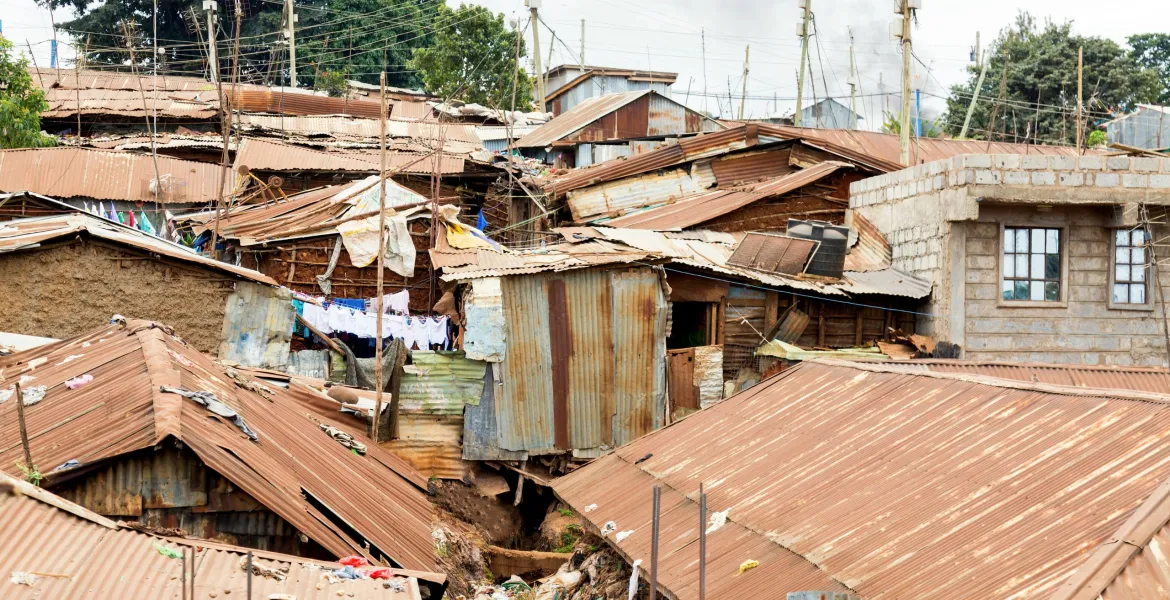
Introduction: Slums, often referred to as informal settlements or shantytowns, are a prevalent feature of urban landscapes worldwide. These areas are characterized by overcrowded and substandard housing, inadequate access to basic services such as water and sanitation, and limited economic opportunities. Despite efforts to address the challenges faced by slum dwellers, these communities continue to persist and grow in many cities, posing complex social, economic, and environmental challenges.
Origins and Growth: The origins of slums can be traced back to various factors, including rapid urbanization, rural-to-urban migration, poverty, and inadequate urban planning and governance. As cities expand to accommodate growing populations, marginalized communities often find themselves relegated to the fringes, where land is cheaper but lacks infrastructure and formal housing. Over time, these makeshift settlements grow organically, with residents building makeshift shelters from whatever materials they can find.
Challenges Faced by Slum Dwellers: Slum dwellers face a multitude of challenges that impact their quality of life and well-being. Inadequate housing exposes residents to health risks such as respiratory diseases and communicable illnesses. Limited access to clean water and sanitation facilities exacerbates these health challenges and contributes to the spread of diseases. Additionally, the lack of formal employment opportunities and quality education perpetuates cycles of poverty and marginalization, trapping residents in a cycle of deprivation.
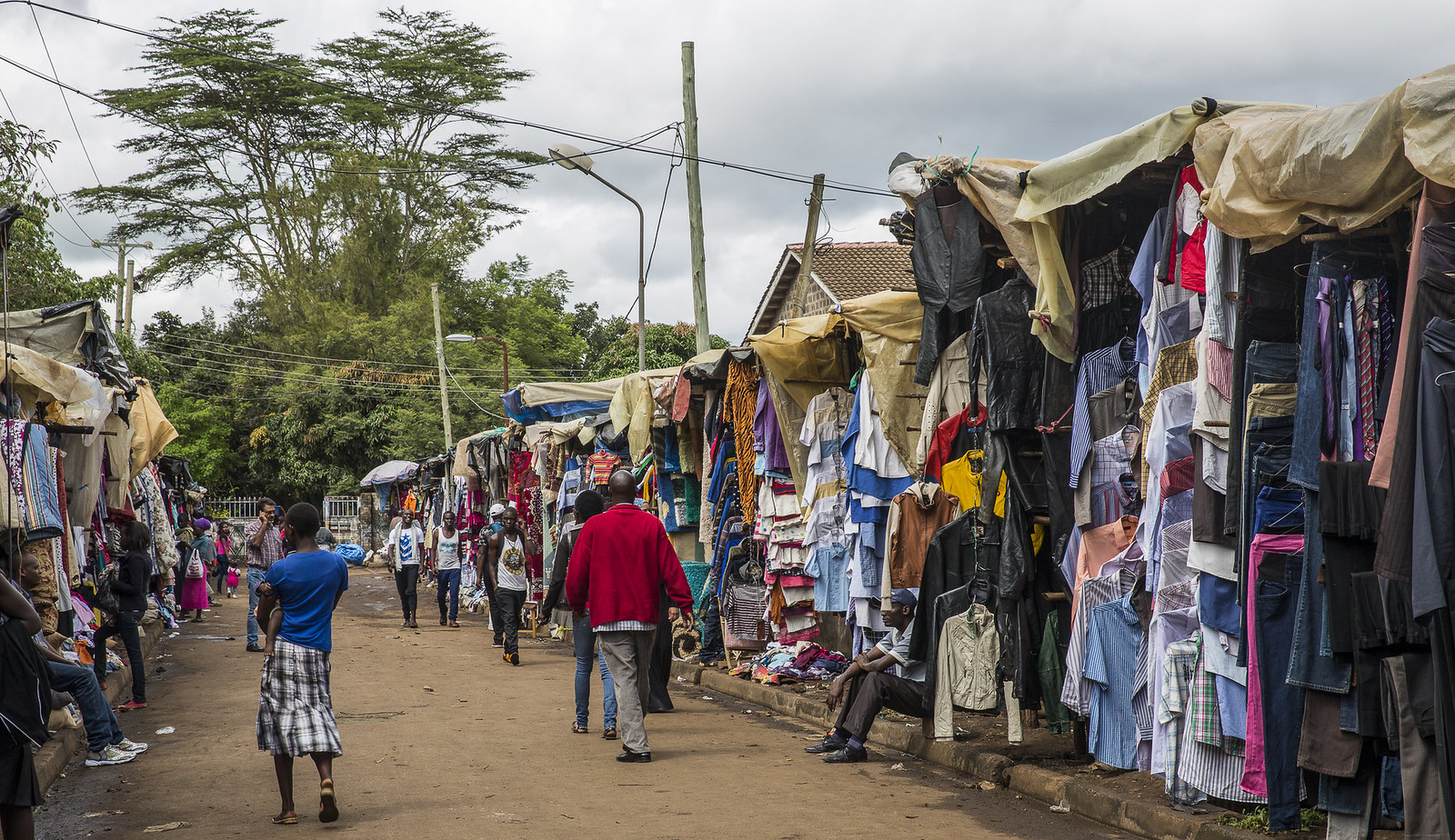
Social Dynamics: Despite the challenges they face, slum communities are often characterized by resilience, solidarity, and resourcefulness. Residents form tight-knit social networks and support systems, relying on each other for mutual aid and solidarity in the face of adversity. These communities exhibit remarkable ingenuity in finding innovative solutions to their everyday challenges, demonstrating resilience in the face of adversity.
Policy Implications: Addressing the complex challenges of slums requires a multifaceted approach that combines short-term interventions with long-term structural reforms. Governments, NGOs, and international organizations must prioritize slum upgrading initiatives that improve housing, infrastructure, and access to basic services. This includes investments in affordable housing, water and sanitation infrastructure, healthcare, and education. Additionally, policies aimed at promoting inclusive urban development and equitable access to land and resources are essential for addressing the root causes of slum formation and preventing the further proliferation of informal settlements.
Conclusion: Slums represent a stark manifestation of urban poverty and inequality, reflecting systemic failures in urban planning, governance, and social policy. Addressing the challenges faced by slum dwellers requires concerted efforts from governments, civil society, and the international community to tackle the root causes of urban poverty and marginalization. By prioritizing slum upgrading initiatives and promoting inclusive urban development, we can create cities that are more equitable, inclusive, and sustainable for all residents.