Title: Cultivating Hope
Introduction: Kibera, Nairobi’s largest informal settlement, is often associated with challenges such as overcrowding, poverty, and inadequate infrastructure. However, amidst the hustle and bustle of this densely populated community, a silent revolution is taking root – urban farming. In recent years, residents of Kibera have been reclaiming vacant spaces and transforming them into vibrant urban farms, cultivating not only crops but also hope for a better future. This article explores the burgeoning trend of urban farming in Kibera and its profound impact on the community.
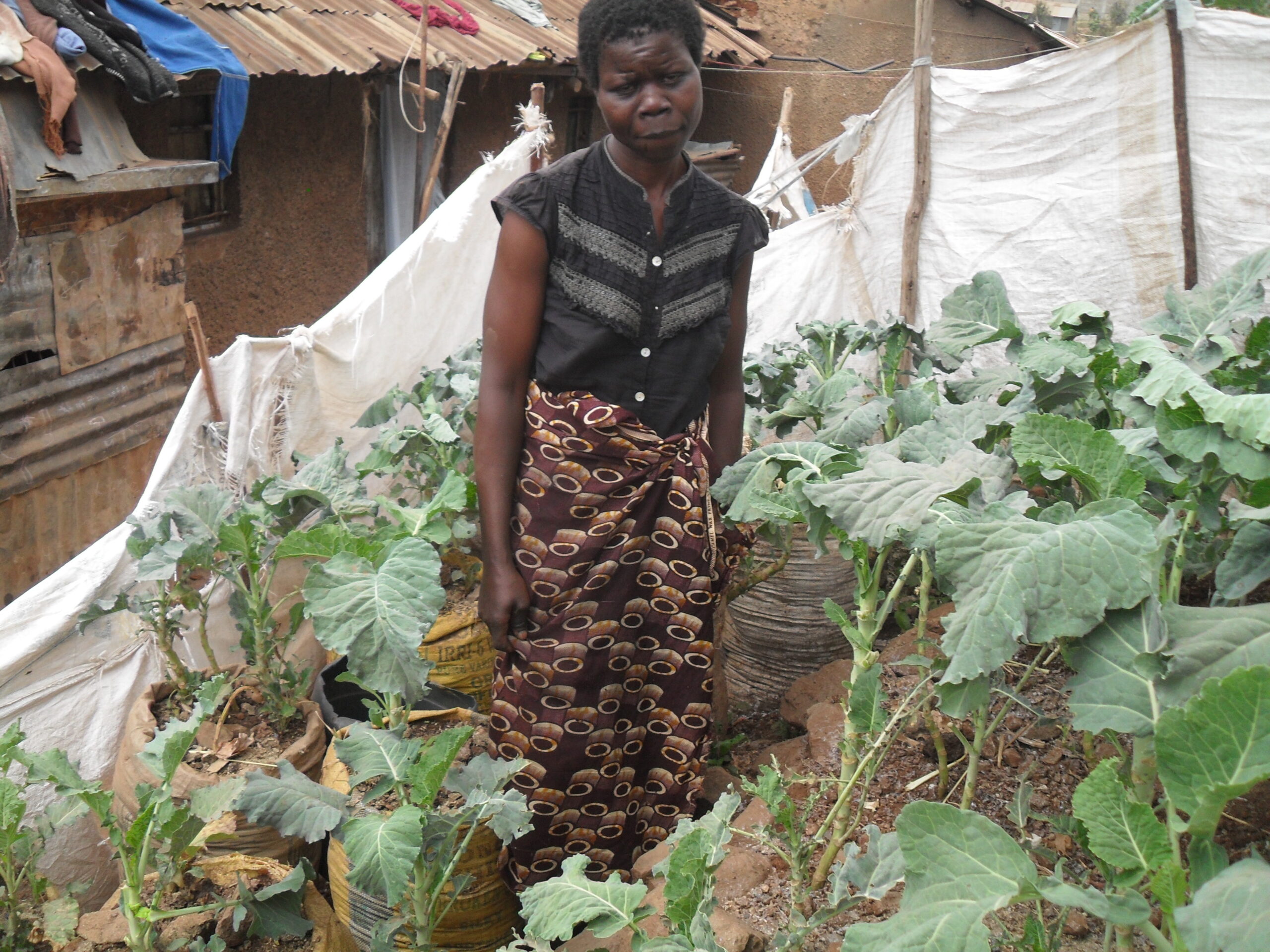
Seeds of Change: In a place where every inch of land is precious, the idea of urban farming has taken root out of necessity. With limited access to fresh produce and high unemployment rates, residents of Kibera have turned to farming as a means of securing food security and generating income. What began as small-scale backyard gardens has blossomed into a thriving network of community gardens, rooftop farms, and innovative agricultural initiatives.
Farming Against the Odds: Urban farming in Kibera comes with its own set of challenges. Limited space, lack of access to water, and soil contamination are just a few of the obstacles that farmers must overcome. However, through ingenuity and determination, residents have found creative solutions to these challenges. Rainwater harvesting, vertical gardening, and composting are just some of the techniques being used to maximize yields and minimize environmental impact.
Growing Together: One of the most inspiring aspects of urban farming in Kibera is its ability to bring people together. Community gardens serve as gathering spaces where neighbors come together to share knowledge, resources, and camaraderie. These gardens are not only sources of fresh produce but also symbols of resilience and solidarity in the face of adversity.
Sowing the Seeds of Change: The impact of urban farming extends far beyond the boundaries of Kibera. By promoting sustainable agriculture and environmental stewardship, residents are contributing to broader efforts to combat food insecurity and mitigate the effects of climate change. Urban farming also offers valuable opportunities for education and empowerment, particularly for the youth, who are learning valuable skills and gaining a sense of pride and purpose through their involvement in farming initiatives.
Harvesting Hope: As urban farming continues to take root in Kibera, it is clear that it holds immense potential to transform not only the landscape but also the lives of its residents. By harnessing the power of agriculture, communities are cultivating hope for a brighter, more sustainable future. As one resident aptly put it, “In a place where there is so much need, farming gives us a sense of hope and possibility. It’s not just about growing food – it’s about growing dreams.”
Conclusion: In the midst of the challenges facing Kibera, urban farming stands as a beacon of hope and resilience. Through their efforts to cultivate the land, residents are sowing the seeds of change and nurturing a brighter future for themselves and generations to come. As urban farming continues to flourish, it serves as a powerful reminder of the transformative power of community, ingenuity, and the human spirit.